

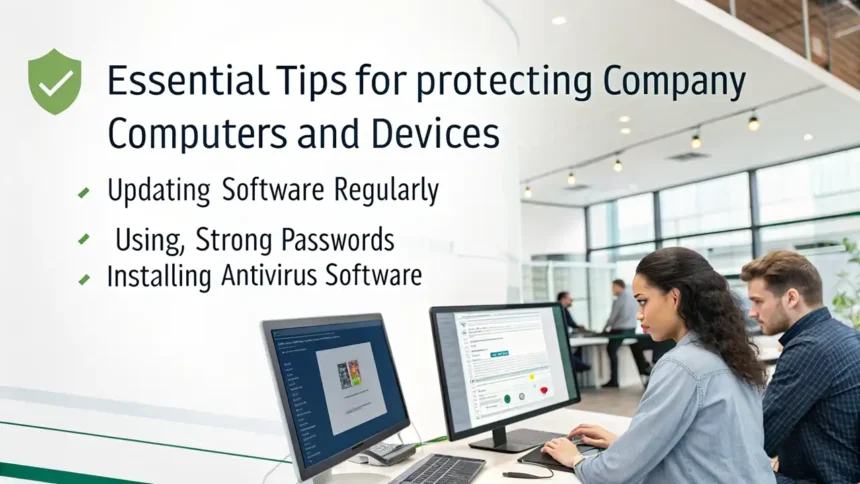
As modern businesses increasingly rely on technology, safeguarding company computers and devices has become paramount. Cyber threats are evolving at an unprecedented rate, and companies of all sizes face vulnerabilities ranging from malware attacks to data breaches.
A successful cybersecurity strategy protects sensitive information and ensures the continuity of operations. This article outlines tips for reinforcing your company’s defenses against these growing cybersecurity threats. By implementing these strategies, businesses can build a robust framework that helps mitigate risks associated with their digital assets.
Understanding the Threat Landscape
The digital ecosystem is fraught with a variety of threats that can disrupt the normal functioning of a business. According to a report by Cybersecurity Ventures, global cybercrime is expected to reach over $10 trillion annually by 2025. This staggering figure underscores the importance of assessing threats such as ransomware, phishing, and insider threats.
Organizations must prioritize understanding their unique risk factors, including the nature of their data, employee behaviors, and existing security measures. Awareness of these threats lays the groundwork for implementing effective protective strategies. Investing in threat intelligence can provide further insights into potential vulnerabilities.
This involves monitoring emerging threats and understanding how they might affect your business. With access to intelligence platforms, companies can stay ahead of potential issues by recognizing attack patterns and adjusting their defenses accordingly. An informed approach helps in crafting better responses and improving cybersecurity posture.
Implementing Robust Security Policies
Well-defined security policies serve as the foundation for any effective cybersecurity strategy. This should include access control measures, acceptable use policies, and guidelines for remote work.
Employees need to understand what constitutes safe online behavior and the importance of protecting company assets. Regular training and alerts help reinforce these concepts, ensuring that security remains a top priority within the organization. Companies should establish clear protocols for reporting incidents and managing data breaches, thereby reducing response times and minimizing damage.
Ensuring that the policies are adaptable can help address evolving threats. Security policies should not be static. They need continuous review and updates to be effective.
Utilizing Encryption and Multifactor Authentication
Encryption is a crucial tool in protecting sensitive data, ensuring that unauthorized parties cannot access it even if they intercept it. Implementing end-to-end encryption for sensitive communications and files is important, particularly when dealing with customer information or proprietary data.
Encryption adds a layer of security, making it far more difficult for cybercriminals to exploit any vulnerabilities. Complementing encryption with multifactor authentication (MFA) can significantly bolster security.
MFA requires users to provide two or more verification factors to gain access to resources, which drastically reduces the risk of unauthorized access. Data indicates that using MFA can block over 99% of automated cyberattacks, making it a key component of any security strategy.
Endpoint Security Solutions for Remote Work
With the rise of remote work, businesses are tasked with securing a wider range of devices, often outside the traditional office environment. Deploying strong endpoint security measures becomes vital to ensuring that company data remains secure.
Endpoint security refers to safeguarding individual devices like computers and smartphones that connect to the corporate network. It encompasses a variety of tools and measures designed to protect those devices from threats and ensure compliance with organizational policies.
For organizations with remote workers, implementing endpoint security measures can greatly mitigate risks associated with unsecured home networks. Exploring the endpoint security benefits for remote workers provides a more comprehensive understanding of how these solutions enhance data protection. By focusing on endpoint protection, businesses can ensure consistent security policies are enforced across all devices, regardless of location.

Regular Software Updates and Patching
Keeping software up to date is vital for protecting devices from known vulnerabilities. Cybercriminals actively target outdated systems, often exploiting weaknesses in the software that organizations neglect to patch. Regularly scheduled updates fix bugs and provide necessary security enhancements.
Companies should adopt a robust patch management strategy to ensure all systems are receiving timely updates, including operating systems, applications, and any third-party tools. Automating updates where possible can alleviate the burden on IT staff while ensuring a consistent level of security. Regular audits should be performed to verify that all devices and systems are compliant with the latest security measures.
Fostering a Culture of Cyber Awareness
Creating a culture of cybersecurity awareness among employees can significantly reduce the risk of human error, which is often the weakest link in security. Comprehensive training programs that address phishing scams, social engineering tactics, and safe browsing habits are necessary. By empowering employees with knowledge, organizations can build resilience against potential threats.
Follow-up training sessions and simulated attacks can reinforce the importance of vigilance. Companies can encourage employees to report suspicious activity without fear of repercussions. This open line of communication fosters a collaborative environment focused on security and shared responsibility.
Incident Response and Recovery Plans
Preparing for a potential cyber incident is just as crucial as preventative measures. A well-structured incident response plan can significantly reduce downtime and financial losses in the wake of a cyber attack. This plan should outline the roles and responsibilities of team members, communication strategies, and protocols for containing and analyzing incidents.
Testing the incident response plan through tabletop exercises can help identify weaknesses and improve preparedness. Organizations must consider developing robust backup strategies to recover data in case of ransomware attacks or significant breaches. Regularly backing up critical data and ensuring it is stored securely offline can prove invaluable during recovery efforts.
By fostering a culture of security awareness, investing in technology, and maintaining an adaptable security posture, organizations can better safeguard their assets and ensure business continuity. Companies must embrace robust cybersecurity strategies, positioning themselves to navigate the complexities of the modern digital landscape.


