


The Atlanta Braves’ roster management is a masterclass in aggressive decision-making, and few names spark as much debate as Marcell “The Big Bear” Ozuna. After a rollercoaster 2025 season marked by injury and declining power, the “Braves Marcell Ozuna waiver candidate” narrative has become a staple of sports talk radio and online forums.
But is the front office actually considering cutting ties, or is this just fan speculation during a shifting era for Atlanta?
In this guide, we’ll break down Ozuna’s current status, the financial reality of the Braves’ payroll, and why the waiver-wire rumors are more complicated than they appear.
Why the Braves Marcell Ozuna Waiver Candidate Rumors Started
Speculation about Braves Marcell Ozuna Waiver Candidate being a waiver candidate didn’t appear out of thin air. It was born from a perfect storm of underperformance, contract expiration, and team strategy.
United Airlines Flight UA770 Emergency Diversion
1. The 2025 Performance Dip
Following a massive 2024 campaign where he finished fourth in NL MVP voting with 39 home runs, Ozuna’s 2025 was a struggle. Playing through a persistent hip injury, his production dipped to a .232 average with 21 home runs. For a player who provides zero defensive value as a primary Designated Hitter (DH), those numbers make him a polarizing figure on a championship-caliber roster.
2. Financial Maneuvering
The Braves have historically been willing to eat salary to maximize roster spots. We saw this with the release of players like Griffin Canning and Ramón Laureano to save marginal luxury tax space. With Ozuna entering the final year of his deal in early 2026, many wondered if Atlanta would simply waive him to give younger bats like Drake Baldwin or Dominic Smith a chance.
3. The 10-and-5 Rights Factor
A major reason Ozuna hasn’t been traded is his 10-and-5 rights. Having 10 years of MLB service and five consecutive years with the Braves, Ozuna has a full no-trade clause. This makes “waiving” him one of the few ways a team can move on if a player refuses a trade.
The Reality: Marcell Ozuna’s Current Roster Status
Despite the headlines, the “Braves Marcell Ozuna waiver candidate” tag has largely remained speculative. As of March 2026, the situation has shifted significantly:
- Pittsburgh Pirates Signing: In a major offseason move, Marcell Ozuna officially signed a one-year, $12 million contract with the Pittsburgh Pirates for the 2026 season.
- The Atlanta Transition: Alex Anthopoulos and the Braves front office opted to let Ozuna walk in free agency rather than pursuing a waiver release during the 2025 season.
- New DH Direction: Atlanta has moved toward a more flexible DH rotation, utilizing Mike Yastrzemski and Dominic Smith to fill the void left by “The Big Bear.”
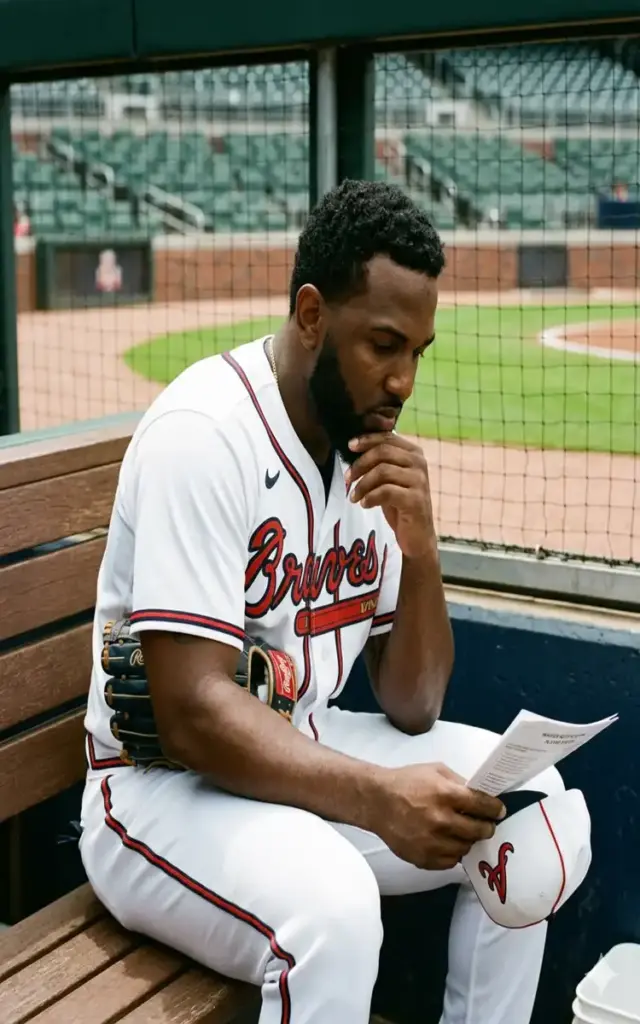
Expert Insight: While fans often want immediate releases for struggling veterans, the Braves chose to let Ozuna’s contract expire naturally, preserving their clubhouse chemistry and avoiding “dead money” on the 2026 payroll.
Understanding the MLB Waiver Process for Veterans
If the Braves had placed Ozuna on waivers, here is how that complex process would have functioned:
Outright Waivers vs. Release
When a veteran like Ozuna is put on outright waivers, any of the other 29 MLB teams can claim him. If a team claims him, they take on his entire remaining salary. If he clears waivers (meaning no one claims him), the Braves would have the option to send him to the minors or release him while still paying his salary.
Claiming Priority
Waiver priority is determined by the reverse order of the current MLB standings. Teams like the Cincinnati Reds or Texas Rangers were frequently mentioned as potential fits for Ozuna’s power bat if he had hit the wire.
Financial Impacts
| Scenario | Financial Outcome |
| Claimed on Waivers | The claiming team pays the remaining contract (e.g., $16M). |
| Unclaimed & Released | The Braves pay the full salary; the new team pays the league minimum. |
| Trade (10-and-5 waived) | Teams negotiate salary retention; Ozuna must approve. |
Impact on the Braves’ 2026 Championship Window
The decision to move on from the Ozuna era is a clear signal that Atlanta is prioritizing versatility and health.
By not re-signing Ozuna or getting stuck in a messy waiver situation, the Braves opened up:
- Payroll Flexibility: The $12M–$16M that would have gone to Ozuna was reallocated to depth pieces like Yastrzemski.
- Roster Spots: It allowed the team to carry more defensive-minded outfielders who can late-inning substitute, something Ozuna cannot do.
- DH Flexibility: It provides opportunities for Ronald Acuña Jr. to take DH days as he continues to manage his recovery from past knee injuries.
How Pressing, The False Nine, And Inverted Fullbacks Became Normal
FAQ: Common Questions About Ozuna and the Waiver Wire
1. Is Marcell Ozuna still on the Atlanta Braves?
No. As of February 2026, Marcell Ozuna is a member of the Pittsburgh Pirates, having signed a one-year deal with a mutual option for 2027.
2. Why didn’t the Braves release him earlier?
The Braves valued Ozuna’s clubhouse presence and the “threat” of his power, even during slumps. Additionally, with his 10-and-5 rights, a clean break at the end of his contract was the most professional path forward.
3. Could Ozuna have been claimed if he was waived?
It’s unlikely a team would have claimed his full $16M salary in 2025 given his hip issues. However, had he been released, multiple contenders would likely have signed him for the league minimum.
4. Who is the Braves’ DH in 2026?
The role is currently being shared. Dominic Smith has seen significant time at DH during Spring Training, with Mike Yastrzemski and Eli White also rotating through the spot.
Moving Past the Waiver Speculation
The “Braves Marcell Ozuna waiver candidate” saga has finally reached its conclusion. While the rumors were fueled by a disappointing 2025 and a massive contract, the Braves front office stayed the course, eventually letting the veteran slugger find a new home in Pittsburgh.
Atlanta fans can now look forward to a more athletic, versatile lineup as the team guns for another NL East title. The “Big Bear” may be gone, but the lessons on how the Braves manage veteran contracts will persist for seasons to come.


