


Air travel is marvelously efficient until it isn’t. For passengers aboard Delta Flight DL275, a routine transpacific journey recently turned into an unexpected detour. When news broke that Delta Flight DL275 Diverted LAX, it sparked a wave of questions: Why did it happen? Was it a mechanical failure or a medical emergency? And what are the rights of the passengers left stranded in Los Angeles?
In this comprehensive guide, we break down the specifics of the DL275 diversion, explore the common reasons behind such high-profile reroutes, and provide actionable advice for anyone navigating a major flight disruption.
What Happened to Delta Flight DL275?
Delta Flight DL275 is a long-haul service typically operating between Seoul (ICN) and Atlanta (ATL), or in some schedule rotations, Detroit (DTW) to Tokyo (HND). In a recent high-profile incident, the aircraft—an Airbus A350-900—was forced to deviate from its flight path over the North Pacific.
Braves Marcell Ozuna Waiver Candidate
The Technical Trigger
The primary reason cited for the Delta Flight DL275 diverted LAX incident involved a technical malfunction with the aircraft’s anti-ice system in one of its Rolls-Royce Trent XWB engines. While flying at 38,000 feet over the freezing latitudes of the North Pacific, the crew detected that the system designed to prevent ice buildup on engine components was failing.
In aviation, engine icing is a critical safety concern. If ice accumulates on the fan blades or inlet guide vanes, it can lead to:
- Significant vibrations
- Reduced engine thrust
- Potential engine flameouts
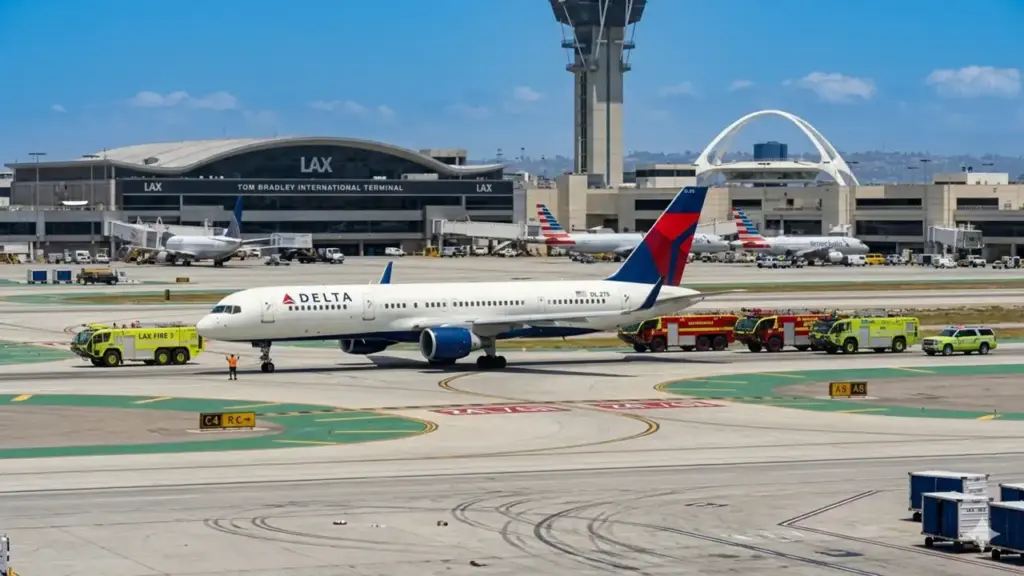
Faced with thousands of miles of open ocean ahead, the flight crew made the command decision to divert to Los Angeles International Airport (LAX)—a major Delta hub equipped with the specialized maintenance teams required for the A350.
Why Diversions to LAX are Common for Transpacific Flights
When a flight like DL275 encounters trouble over the Pacific, LAX is often the preferred “safe harbor.” But why Los Angeles instead of closer Alaskan airports like Anchorage?
1. Maintenance Infrastructure
LAX is a primary hub for Delta Air Lines. It houses extensive hangars and is staffed by certified technicians for the Airbus A350 and Rolls-Royce engines. Diverting to a smaller airport might get the plane on the ground, but it could leave the aircraft stuck for weeks awaiting parts.
2. Passenger Rebooking Options
As one of the busiest airports in the world, LAX offers the best “protection” for passengers. If a flight is canceled after landing, Delta has dozens of daily departures to Atlanta, Detroit, and other major cities, making it easier to rebook hundreds of displaced travelers.
3. Weather Conditions
During the DL275 incident, the pilots noted that heading south toward Los Angeles provided “warmer” air. While this sounds simple, it is a strategic move to move the aircraft out of “known icing conditions” to prevent further degradation of the malfunctioning engine.
United Airlines Flight UA770 Emergency Diversion
Your Rights When a Delta Flight is Diverted
If you find yourself on a flight that has been rerouted, you aren’t just a spectator; you have specific protections under Delta’s Contract of Carriage and U.S. Department of Transportation (DOT) regulations.
Standard Amenities and Vouchers
Because the Delta Flight DL275 diverted LAX issue was technical (within the airline’s control), passengers were entitled to:
- Meal Vouchers: Usually provided if the delay exceeds 3–4 hours.
- Hotel Accommodations: If the diversion requires an overnight stay and you are not at your home station.
- Ground Transportation: Shuttles to and from the provided hotel.
Refund vs. Rebooking
Under current DOT rules, if your flight is significantly delayed (over 6 hours for international) or canceled due to a diversion, you have the right to a full refund to your original payment method if you choose not to travel on the alternative flight provided by Delta.
Pro Tip: Use the Fly Delta app immediately upon landing. Often, the app will automatically present you with new flight options before you even reach the customer service desk.
The Financial and Operational Impact of a Diversion
A single diversion like Delta Flight DL275 is a logistical nightmare that costs an airline millions. For the DL275 incident, industry analysts estimate the total cost exceeded $2.3 million.
| Expense Category | Estimated Cost |
| Additional Fuel | $500,000 |
| Landing & Hangar Fees | $65,000 |
| Passenger Hotel & Meals | $800,000 |
| Lost Revenue (Downstream Cancellations) | $1,000,000+ |
This financial sting is why airlines are increasingly investing in predictive maintenance. Advanced AI sensors can now monitor “bleed air” pressure and valve response times, potentially catching a failing anti-ice system hours before the plane ever leaves the gate.
FAQ: Delta Flight DL275 Diverted LAX
1. Was anyone injured during the DL275 diversion?
No. While diversions are stressful, they are precautionary. The crew landed the aircraft safely at LAX, and no injuries were reported among the passengers or crew.
2. How can I track the status of a diverted Delta flight?
You can use the Flight Status tool on Delta’s website or third-party trackers like FlightAware. Enter “Delta Flight DL275 diverted LAX” to see the real-time flight path and updated arrival times.
3. Does Delta provide compensation for “pain and suffering” during a diversion?
Generally, no. U.S. law requires airlines to provide food, water, and lodging for controllable delays, but “inconvenience pay” is not a legal requirement. However, Delta often issues SkyMiles or travel vouchers as a gesture of goodwill.
4. What happens to my checked luggage?
In most diversion cases, luggage remains on the aircraft. If you are rebooked on a different plane, Delta’s ground crew will transfer your bags. If you need to stay overnight, you may have to request your bags at the baggage claim, though this can take several hours.
Final
The Delta Flight DL275 diverted LAX incident serves as a stark reminder of the complexities of modern aviation. While a detour to Los Angeles was certainly not on the itinerary for those traveling from Seoul, the decision to prioritize safety over schedule is what makes commercial air travel incredibly secure.


